The Panama Pensionado Visa is one of the best alternatives in the region for those looking for an accessible, peaceful, and welcoming place to live their golden years. This residency permit is made for foreigners who receive a lifetime pension and want to settle officially in the country. In addition to guaranteeing legal stability, it offers discounts on services, fiscal benefits, and facilities in multiple procedures.
Before taking this step toward the Panama Retiree Visa, it is important to understand how daily life works, costs, the health system, the way local taxation impacts residents, as well as the possible pros and cons of retiring in Panama.
Why North Americans Prefer Panama for Retirement
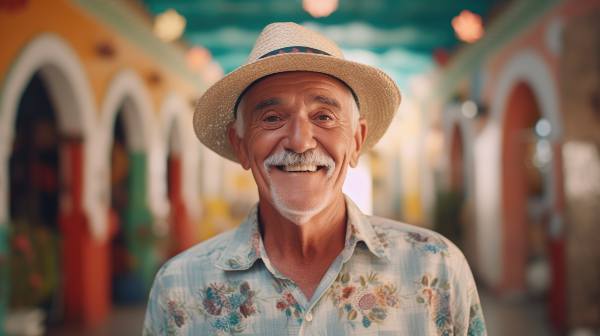
Although more than 40 nationalities can apply for the Panama Retiree Visa, citizens of the United States and Canada remain the ones who choose it the most. The best places to retire in Panama, as well as the socio-economic agreements, and the reliability of migration processes inspire confidence.
During the first seven months of 2025, according to the National Immigration Service, 370 applications were approved under the Panama pensionado program for Canadian citizens, while 1,240 applications came from those looking to retire to Panama from the USA.
The main attraction of Panama retirement for US citizens and Canadians lies in the combination of lower living costs compared with their home nations and private medical options, in addition to the convenience of direct flights that allow closeness with relatives.
What is the cost of living in Panama?
One of the factors that most influence the decision to apply for the Panama Pensionado Visa is the budget needed to live comfortably. Compared with cities in the United States or Canada, expenses tend to be lower, especially in transportation, local groceries, and basic utilities.
In February 2025, the basic family food basket was recorded as costing between 341.00 and 367.00 USD. Moreover, typical expenses include housing, transportation, and utilities. Those who maintain a comfortable lifestyle usually need an estimated amount ranging from 1,200.00 to around 2,000.00 USD or more per month. This will depend on consumption habits, whether they cook at home or dine out, the type of dwelling chosen, and whether they are supporting dependents or relocating with family.
Private medical services in the country are considerably more affordable than in other countries in the Americas. A general consultation runs from 15.00 to 50.00 USD, depending on the location and institution. Many retirees also choose to purchase local insurance that may range from 100.00 to 250.00 USD per month, depending on the chosen plan. Along with the discounts granted by the Panama Retiree Visa on health services, these expenses let those enjoying retirement in Panama to maintain their quality of life without increasing their budget beyond the expected average.
Where is the best place to retire in Panama?
Among the best places to retire in Panama, Boquete stands out for its mild weather, green mountains, and the presence of a very active international community. Coronado is another frequent choice due to its proximity to the capital, its modern infrastructure, and its beaches. In David, Chiriquí Province, housing prices are much lower than in Panama City, and a regional airport connects with different parts of the country.
The Panama Pensionado Visa allows retirees to reside in any area without restriction, which broadens possibilities. Furthermore, the government promotes spaces and activities for retirement communities in Panama, such as recreational plans, health talks, crafts, and others that facilitate integration with locals and other foreigners.
How does Panamanian taxation affect foreign retirees?
A decisive element for many who consider Panama for retirement is fiscal management. The country has a territorial tributary system, which means it only taxes income generated inside the nation. Pensions or rents received abroad are not subject to local tax, which becomes an attractive advantage for retirees who depend on earnings generated in their country of origin.


The Panama Pensionado Visa not only formalizes residency but also grants access to government discounts on airline tickets, medical services, public transportation, and cultural activities. This, together with the absence of local fiscal obligation on foreign income, stretches money further, allowing resources to be allocated to leisure, housing, or domestic tourism.
The Panama Pensionado Visa benefits package makes it an excellent option for those who want a retirement without financial concerns.
What is the healthcare system like in Panama?
Access to hospitals and clinics represents a fundamental element for those who consider retirement in Panama. In the capital city, private hospitals meet international standards and have staff trained abroad. In towns such as David or Santiago, regional centers cover most needs.
Private medical care proves more affordable than in North America, and retirees can purchase local or international insurance to cover emergencies and treatments. In addition, the Panama Retiree Visa offers discounts on consultations, exams, and medications, which provides important relief in health expenses. The availability of specialists in different areas also gives confidence to those who choose Panama for retirement.
Pros and Cons of Retiring in Panama
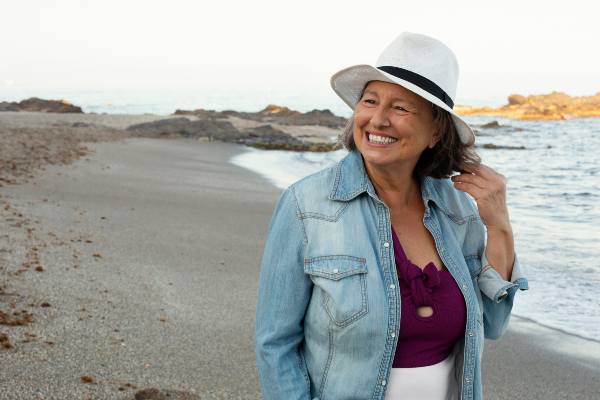
When keeping in mind this program, it is necessary to assess the pros and cons of retiring in Panama to understand what to expect before relocating. Those who already made the change highlight tangible Panama Pensionado Visa benefits, while also recognizing that there are adaptation challenges.
What expats love
Among the advantages most frequently mentioned by residents and holders of Panama Pensionado Visa are the hospitality of locals, legal security in immigration procedures, and the chance to access official discounts. Retirement communities in Panama also represent added value, since they offer support, social activities, and the possibility to integrate more quickly.
The Panama Pensionado Visa has consolidated as one of the most requested alternatives, and figures confirm it: more than 1,200 people selected Panama for retirement only in the first half of 2025, with that demographic being the third largest source for those who retire to Panama from USA.
When evaluating the best places to retire in Panama, most agree that the combination of beaches, mountains, modern cities, and banking system provides a range of options that is hard to find in other destinations.
What challenges to expect
Within the pros and cons of retiring in Panama, it is necessary to mention some obstacles. The tropical weather, with prolonged rainy seasons, may pose difficulties for foreigners coming from temperate areas. The Spanish language, although not an absolute barrier, can add an extra step in official procedures, since sworn translation is required, and sometimes it may create complications in rural zones where English is less common.
Another aspect to consider is bureaucracy in public entities, as procedures can be slower than expected. However, most retirees conclude that these hurdles do not overshadow the advantages provided by the Panama Pensionado Visa. The balance between cost of living, quality of services, and legal facilities receives positive evaluations.
Considering the Panama Retiree Visa? We Can Help You
If you have considered Panama for retirement, our team has experience guiding future residents through the entire legal process. From collecting documents to submitting your application. Let us provide you with the support needed to apply for the Panama Pensionado Visa. Contact us today to receive the assistance you need.