If you plan to command a vessel in Panama or in International Waters, you must know how to get ship captain license, a legal and safety requirement. AMP issues this document under STCW’78 standards; it certifies your technical training and practical background to operate vessels safely, guaranteeing compliance with maritime protocols.
Below, we will explain why AMP certification remains mandatory, which types of craft require it by size, and the exact ship captain license requirements so you may process the application.
Main Insights
- The process to get ship captain license demands completion of certain prerequisites, such as technical training, valid paperwork and documented practice.
- AMP handles the procedure, verifies training and issues the corresponding accreditation.
- First Aid, maritime safety and Navigational Watch courses form core elements of the training.
- Obtaining this credential permits work as cargo ship captain, yacht captain or fishing captain, both in Panama and abroad.
Why a Captain’s License is Mandatory in Panama
In Panama, any person who assumes command of a craft within national territory or in International Waters must hold maritime license, among them a captain one. This document certifies preparedness and skills to maneuver vessels under AMP standards. Without this permit, one cannot command a craft, since authorities demand adherence to STCW’78 Agreement and its amendments.
Getting a ship captain license guarantees correct application of maritime safety measures, emergency control and First Aid training. It also proves competency in Navigational Watch, route knowledge, communications equipment and safe maneuvers. This credential opens professional opportunities in the nautical sector, where AMP certification holds high value.

What size boat requires captains license
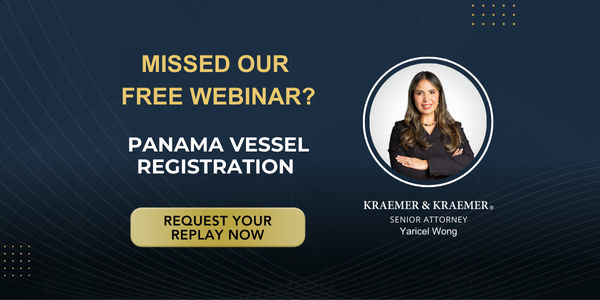
Knowing what size boat requires a captain’s license matters before you begin the procedure. In Panama, the permit category depends on vessel gross tonnage. Authorities set three main tiers: up to 200 GT, up to 500 GT and no tonnage limit. Each bracket corresponds to distinct craft types, from yachts to commercial vessels.
Regulations on what size boat requires a captain’s license apply to tourist operations as well as fishing or scientific duties. Compliance with this rule guarantees that the person in command can respond to incidents in Panamanian waters and International Waters, protecting the safety of all crew members.
Ship Captain License Requirements
If you are wondering how to get a ship captain license, you should know that there are certain steps defined by the Panama Maritime Authority. This procedure validates the academic training and practical experience of sailors seeking official accreditation.
Maritime training
The first stage to get ship captain license is to complete programs endorsed by the Maritime Authority or by centers that appear on the International Maritime Organization’s white list. The subjects covered include first aid, maritime safety, personal survival, firefighting, and more. Radar, radio communications, and GMDSS systems are also required.
This training to get a ship captain license combines theory and practice to develop the necessary skills needed to operate a vessel safely, apply international rules and maintain the integrity of the crew.
Documents
Among the ship captain license requirements there is a demand for personal and technical documents, such as a valid passport or ID card, a recent photograph, a medical certificate in accordance with STCW Regulation I/9, and evidence of experience or studies. The form must be filled out in black ink and submitted to the designated office.
Foreign seafarers must present the same paperwork, with the addition of an official translation into Spanish, if necessary. Making sure that all documents remain correct speeds up the procedure to get ship captain license.
Application with the AMP
Now, for those wondering where to get ship captain license, the process is carried out at the Panama General Directorate of Seafarers (DGI) or at authorized consulates. This office is also the point of contact for other essential naval credentials, such as the operator’s license for auxiliary maritime services.
There, applicants deliver paperwork, indicate the type of permit, and wait for the courses to be validated. After review, AMP issues the corresponding certificate. Those who meet the ship captain license requirements receive the enabling document. They can also apply for duplicates or renewals when the medical certificate and experience remain valid.
Fees
Ship captain license requirements also include fees, ranging from $8 for Panamanians to $160 for foreigners. This payment can be made via meter stamp or at DGI offices.
At consulates or external offices, an additional fee of ten dollars is applied for administrative handling. These fees apply across all categories for which one must get ship captain license, whether for recreation, fishing or commercial transport.
Categories of Captain Licenses
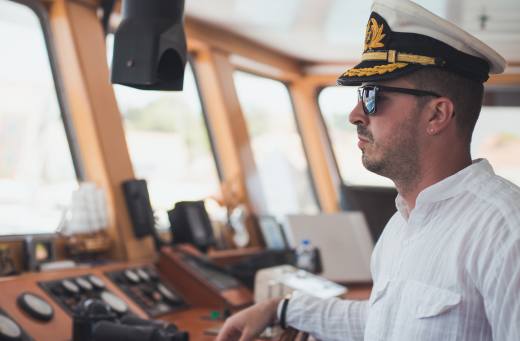
One frequent question about how to get ship captain license concerns which category to apply for. Licenses are divided according to the type of vessel and the applicant’s experience. Therefore, each type requires completely different training and testing.
Cargo ship captain
The cargo ship captain is qualified to command ships engaged in the transport of goods. To obtain this certification, a valid certificate of competency, training in navigation surveillance, and knowledge of personnel management are required. It includes courses in emergency control and fire prevention, among others.
To get a ship captain license, documented experience in command or deck duties must be proven. This permit for cargo ship captains allows the holder to work for maritime trading companies and participate in activities in international waters, while following maritime safety rules.
Yacht captain
The yacht captain is authorized to drive recreational or pleasure boats. To obtain this credential, you must complete an official course covering survival, communication, fire prevention, and other additional topics. In addition, at least one year of experience in navigation or command functions is required.
The yacht captain must submit a letter of employment, a medical certificate, and proof of completed studies. Given that this class is common among sailors in the tourism sector or owners of private boats, obtaining a captain license in this category increases job opportunities in the recreational field.
Fishing captain
The fishing captain leads vessels involved in commercial fishery operations. To qualify for this class, the AMP demands previous experience as an officer or skipper, a certificate of competency, and training in IMO subjects. Mandatory courses include rescue maneuvers, firefighting, and radar.
Those wishing to obtain a fishing captain license must demonstrate knowledge of maneuver coordination and emergency response, ensuring safe operations in both coastal areas and international waters.
Apply Today for a Ship Captain License in Panama
In conclusion, this permit to command craft provides an essential official accreditation for professional development in the naval sector, certifying regulatory compliance before AMP. Obtaining this title implies assuming command of a vessel with proper safety training and meeting the ship captain license requirements: experience, practice and complete paperwork.
At Kraemer & Kraemer, we provide specialized legal advice on Panamanian maritime law to manage and get ship captain license before AMP and handle other naval procedures. We guide you through the entire process, guaranteeing an efficient and successful application. Contact us today.